
01Design

Architecture and structure are developed together — balancing geometry, weight, and stiffness before anything is built.

We are a student-led team that designs, fabricates, and shake-tests competition towers, moving one structure from first sketch to the testing table, every season.
The Seismic Design Team brings together students across civil engineering, architecture, mechanical engineering, and finance to move one competition tower from concept to the shake table — built, tested, and defended by students.
The work spans structural design, architectural direction, fabrication, presentation, and outreach — making it both deeply technical and entirely public-facing.
Learn how the team works →Drive the magnitude and watch an unbraced frame tear itself apart while a triangulated diagrid — the system behind Komorebi Tower — holds. This is the problem the team solves every season.

Each phase is owned and handed off by the team — design, build, compete — one continuous project narrative across the year.
Architecture and structure are developed together — balancing geometry, weight, and stiffness before anything is built.

Fabrication and testing sessions turn the digital concept into a physical balsa model, refined through iteration.

The finished tower is presented and tested on the shake table at the EERI Seismic Design Competition.
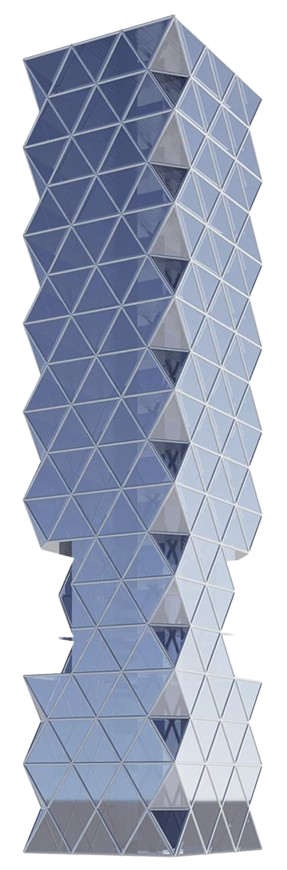
McGill SDT's first EERI entry established the team's design language: ambitious architecture, explicit structural logic, and a clear public story.
See McGill SDT's 2025 competition tower during the team's first EERI appearance.
SDT is open to any student — no competition experience required, just curiosity. Pick a track and we'll point you to the rest.
Resolve lateral and gravity loads, model the system, and push the tower's performance.
Shape the tower's identity, geometry, and the story it tells the judges.
Fabricate, assemble, and prepare the model for the shake table.
Drive communications, documentation, and the partnerships that fund the season.
Reach out, tell us what interests you, and start contributing to this season's tower.
Their support funds fabrication, testing, travel, and the visibility that keeps the program growing.
New partners help expand the team's build capacity and competition reach — with visible recognition across apparel, presentations, and this site.
Fresh off placing Top 3 in Best Architecture at SDC 2026 in Portland, the team is already building toward SDC 2027 in Seattle. The campaign supports material costs, equipment, and travel for the season ahead.